

Overview
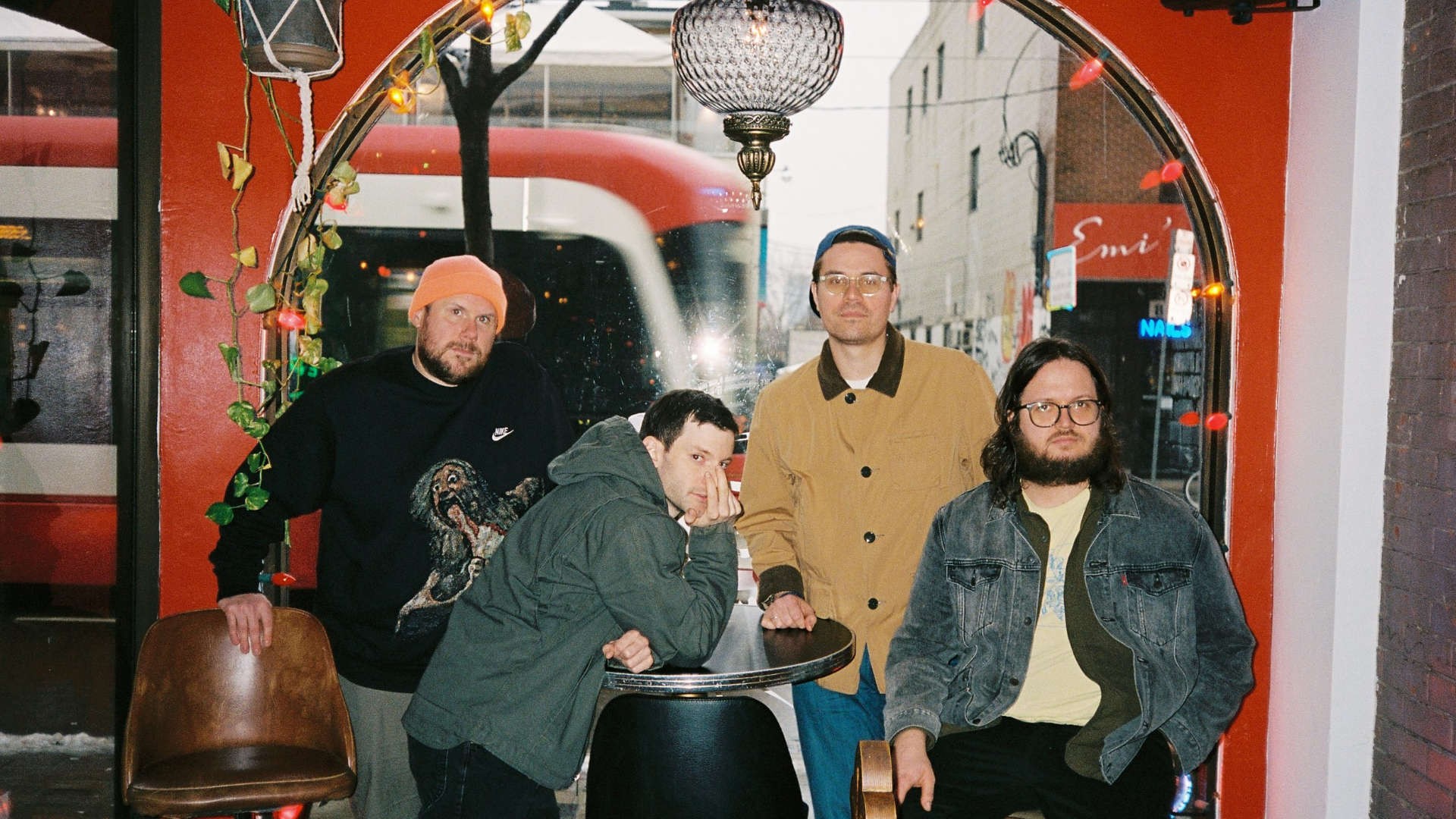
PUP’s fifth album, Who Will Look After The Dogs?, is their most direct, energetic, and emotionally honest record yet. Known for channeling creative tension, self-deprecating humor, and near-chaotic chemistry into their music, the Toronto punk band uses this album to explore personal growth, friendship, heartbreak, and self-acceptance while maintaining the intensity that has defined their career.
The album emerged after significant life changes for the band members. While guitarist Steve Sladkowski, bassist Nestor Chumak, and drummer Zack Mykula settled into new stages of adulthood, frontman Stefan Babcock was coping with the end of a decade-long relationship and feelings of isolation. Writing more than 30 songs in a year, Babcock reflected on his past relationships, friendships, and long-standing struggles with self-criticism.
Unlike earlier albums that focused heavily on self-loathing, this record traces a journey from youthful frustration and heartbreak toward acceptance and hope. Songs such as “No Hope,” “Olive Garden,” and “Hallways” document different stages of that emotional evolution, ultimately leading to a more peaceful outlook on life and identity.
The band intentionally abandoned its usual perfectionism, choosing instead to develop songs organically as a group. This approach restored the joy of making music together and resulted in a raw, live-feeling record. Tracks like “Paranoid” capture PUP’s trademark blend of chaos, aggression, and catchy hooks, while songs such as “Best Revenge” and “Shut Up” reveal a newfound optimism rarely heard in their previous work.
Working with producer John Congleton in Los Angeles helped the band avoid overthinking and trust their instincts. The album was recorded in just three weeks, allowing spontaneity and imperfections to become strengths rather than flaws. Guest vocals from Jeff Rosenstock on “Get Dumber” further reinforce the album’s loose, fun spirit.
Overall, Who Will Look After The Dogs? combines the reckless energy of PUP’s early years with the maturity gained from a decade together. While it still embraces frustration, conflict, and uncertainty, its central message is unexpectedly hopeful: personal growth is possible, and close friendships can help carry you through even the hardest times.
Upcoming Events at HI-FI Annex


